Viagra Super Active: a clear, safety-first guide
When erections become unreliable, the problem is rarely “just sex.” People describe a cascade: second-guessing themselves, avoiding intimacy, feeling older than they are, or quietly worrying that something is “wrong” with their heart. I hear that last part a lot. And while erectile dysfunction is often treatable, it also deserves respect because it can overlap with broader health issues like blood vessel disease, diabetes, sleep problems, stress, and medication side effects.
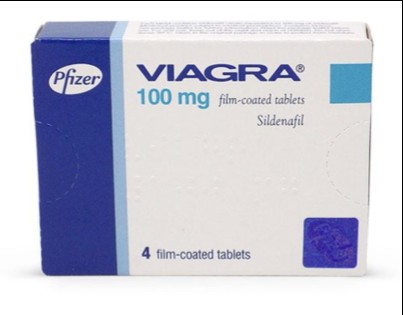
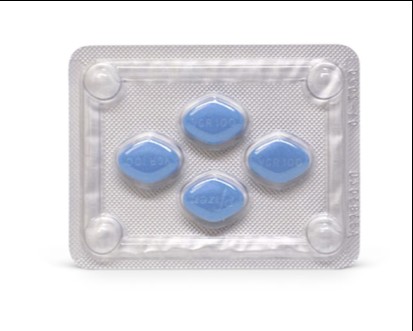
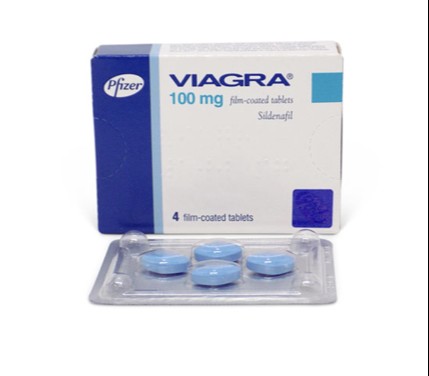
Viagra Super Active is a name commonly used online for a fast-acting, sildenafil-based erectile dysfunction product. That phrasing matters. In everyday clinic language, the active ingredient people are usually talking about is sildenafil, a medication in the phosphodiesterase type 5 (PDE5) inhibitor class. Sildenafil has well-established medical use for erectile dysfunction (ED). The “Super Active” label, however, is not a standard U.S. prescription product name and is frequently associated with nonstandard or unverified formulations sold through the internet. The human body is messy; the online supplement/drug marketplace is messier.
This article stays practical and evidence-based. We’ll walk through what ED is, why it happens, where sildenafil fits as a treatment option, what “super active” claims usually mean in real life, and the safety rules that matter most—especially dangerous interactions like nitrates and caution with alpha-blockers. If you want a quick primer on what clinicians look for during an ED workup, see how erectile dysfunction is evaluated.
Understanding the common health concerns behind erectile dysfunction
The primary condition: erectile dysfunction (ED)
Erectile dysfunction means persistent difficulty getting or keeping an erection firm enough for satisfying sexual activity. It’s not the same as a one-off “bad night.” Everyone has those. ED is the pattern that sticks around and starts shaping decisions—skipping dates, rushing intimacy, or avoiding it altogether.
Physiologically, erections are a blood-flow event with a nervous-system trigger. You need healthy arteries to bring blood in, responsive smooth muscle to relax, and veins that can hold that blood in place. Hormones, mood, and relationship context influence the brain’s “green light,” but the plumbing and wiring still have to cooperate. When patients tell me, “Doc, the desire is there, but the body won’t follow,” that’s often a clue that circulation, medications, or chronic conditions are playing a role.
Common contributors include:
- Vascular risk factors (high blood pressure, high cholesterol, diabetes, smoking)
- Medication effects (certain antidepressants, blood pressure drugs, and others)
- Hormonal issues (low testosterone is not the only cause, but it matters for libido and energy)
- Neurologic factors (nerve injury, spinal issues)
- Psychological and relational stress (performance anxiety is real, and it can become self-reinforcing)
One personal observation from years of conversations: ED is often the first symptom people will actually bring to a clinician, even when they’ve ignored blood pressure readings for years. Sex gets attention. That can be leveraged for good—ED can become the doorway to better overall cardiovascular care.
Why early treatment matters
Delaying care is common. Stigma is stubborn. People try to power through, switch partners, change porn habits, blame aging, or pretend it’s “not a big deal.” Then months pass. Then a year. Meanwhile, the underlying drivers—diabetes control, sleep apnea, vascular disease, depression—keep doing their thing.
Early evaluation doesn’t mean you’re signing up for a lifetime of pills. It often means identifying reversible factors. Sometimes it’s as straightforward as adjusting a medication, treating sleep apnea, improving glucose control, or addressing anxiety that has quietly taken over the bedroom. I often see relief just from naming the problem and building a plan that isn’t based on panic.
If you’re curious how lifestyle and medical factors intersect, ED and heart health basics is a useful place to start.
Introducing Viagra Super Active as a treatment option
Active ingredient and drug class
Most products marketed as Viagra Super Active are intended to contain sildenafil. Sildenafil is a PDE5 inhibitor. This class of medications supports erections by enhancing the body’s natural nitric-oxide signaling in penile tissue, which increases blood flow during sexual stimulation. That last phrase matters: stimulation is still required. PDE5 inhibitors don’t create desire, and they don’t flip an automatic switch.
Clinically, sildenafil is a well-studied medication with a known benefit-risk profile when prescribed appropriately. The complication is the branding. “Super Active” is not a recognized standard formulation name in many regulated markets, and products sold under that label may vary in dose, quality, or even ingredients. Patients tell me, “It worked once, then it didn’t,” and I’m left wondering whether they took the same thing twice.
Approved uses
Approved, established use: sildenafil is widely used for erectile dysfunction.
Different approved use in another context: sildenafil is also used under other brand names and dosing strategies for certain forms of pulmonary arterial hypertension (a specific high-blood-pressure condition in the lungs). That is a different medical scenario, with different dosing and monitoring, and it should not be blended with ED self-treatment.
Off-label and unsupported claims: you’ll see sildenafil marketed online for everything from “testosterone boosting” to “sexual stamina” to “penis enlargement.” Those claims are not established medical indications. If a seller is promising miracles, that’s usually a sign they’re selling a story, not practicing medicine.
What makes it distinct
Sildenafil is generally considered an as-needed ED medication with a relatively shorter duration of action compared with some other PDE5 inhibitors. Practically, people often experience a window of effect measured in hours rather than “all weekend.” That can be a feature or a drawback, depending on the person.
So what does “Super Active” usually imply? In my experience reviewing what patients bring in—or screenshots they sheepishly show me—it’s often a claim about faster onset via a soft-gel or rapid-absorption format. Faster onset is plausible with certain formulations and conditions (like taking it away from a heavy meal), but “faster” is not the same as “safer,” and it’s definitely not the same as “stronger is better.” With ED meds, stronger sometimes just means more headache and more flushing.
Mechanism of action explained (without the mythology)
How it helps with erectile dysfunction
An erection starts with arousal signals from the brain and nerves. Those signals lead to the release of nitric oxide in penile tissue. Nitric oxide increases a messenger chemical called cyclic GMP (cGMP), which relaxes smooth muscle in the penile arteries and erectile tissue. Relaxation lets more blood flow in, and the penis becomes firm.
PDE5 is an enzyme that breaks down cGMP. Sildenafil inhibits PDE5, so cGMP sticks around longer. Think of it like keeping the “relaxation signal” from fading too quickly. Blood flow improves, and the erection response becomes easier to achieve and maintain when sexual stimulation is present.
Here’s the part people rarely hear clearly: sildenafil doesn’t override severe nerve damage, it doesn’t fix relationship conflict, and it doesn’t erase fatigue. Patients sometimes expect a movie-scene transformation. Real life is quieter. When it works well, the most common report I hear is simply, “I felt like myself again.”
Why the effects can feel “fast” or “flexible”
How quickly sildenafil feels effective depends on several variables: stomach contents, alcohol intake, anxiety level, and individual metabolism. A heavy, high-fat meal often delays absorption. Alcohol can dull arousal and worsen erection quality even if the medication is active. Anxiety can short-circuit the brain’s part of the pathway. Yes, it’s unfair. Biology doesn’t care about your weekend plans.
Sildenafil’s half-life is roughly 3-5 hours, which is one reason it’s typically discussed as an on-demand option rather than a daily “baseline” therapy. The practical implication is that timing and context matter. That’s also why inconsistent products sold online under labels like “Super Active” can create confusing experiences—people attribute variability to themselves when the real issue is the product.
Practical use and safety basics
General dosing formats and usage patterns
For erectile dysfunction, sildenafil is commonly prescribed as an as-needed medication taken before sexual activity. Clinicians individualize the plan based on age, other medications, kidney and liver function, side effects, and cardiovascular status. If you’ve never discussed ED with a clinician, that first conversation often includes a quick review of heart symptoms, exercise tolerance, and current prescriptions.
I’m deliberately not giving a step-by-step regimen here. That’s not evasiveness; it’s safety. The “right” approach depends on your health profile, and the most dangerous mistakes I see come from copying a friend’s routine or doubling up after an underwhelming first attempt.
For readers comparing options, PDE5 inhibitors explained can help you understand how sildenafil differs from other medications in the same class.
Timing and consistency considerations
As-needed ED medications work best when expectations are realistic. A rushed, high-pressure situation is the enemy of good physiology. Patients tell me they “tested” sildenafil alone in the bathroom like it was a light switch. That’s not how the pathway works. Sexual stimulation, comfort, and timing still matter.
Food and alcohol can change results. A large meal can slow absorption. Excess alcohol can reduce erection quality and increase dizziness. Sleep deprivation doesn’t do you any favors either. I often see people blame the medication when the real culprit is three hours of sleep and two cocktails.
Important safety precautions
This is the section I wish everyone would read twice.
Major contraindicated interaction: nitrates. Sildenafil must not be combined with nitrate medications (such as nitroglycerin tablets/spray/patch, isosorbide dinitrate, or isosorbide mononitrate). The combination can cause a dangerous drop in blood pressure, fainting, heart attack, or stroke. If you use nitrates for chest pain, ED treatment needs a clinician-led plan. No shortcuts.
Another important interaction/caution: alpha-blockers and blood pressure medications. Sildenafil can add to the blood-pressure-lowering effects of alpha-blockers (often used for prostate symptoms or hypertension) and other antihypertensives. That doesn’t automatically rule it out, but it raises the stakes for careful prescribing and monitoring, especially if you’ve had dizziness or falls.
Other safety flags clinicians take seriously:
- Recent heart attack, stroke, or unstable angina
- Severe low blood pressure or uncontrolled high blood pressure
- Significant liver disease or advanced kidney disease
- Retinitis pigmentosa or certain inherited eye disorders (rare, but discussed)
- History of prolonged erection (priapism) or conditions that increase risk (such as sickle cell disease)
If something feels wrong—chest pain, severe dizziness, fainting, sudden vision loss, sudden hearing changes—treat it as urgent. People sometimes hesitate because they’re embarrassed about why they took the medication. Emergency clinicians have seen everything. Your job is to stay alive.
Potential side effects and risk factors
Common temporary side effects
Sildenafil’s most common side effects are related to blood vessel dilation and smooth muscle effects. They’re often dose-related and frequently improve when the dose is adjusted or when people learn what triggers them (like alcohol or dehydration).
- Headache
- Facial flushing or warmth
- Nasal congestion
- Indigestion or stomach discomfort
- Dizziness, especially when standing quickly
- Visual color tinge or light sensitivity (less common, but classic for sildenafil)
Patients sometimes describe a “pressure” feeling in the head or a stuffy nose that makes them wonder if they’re getting sick. That’s a common story. If side effects persist, worsen, or interfere with daily activities, it’s a reason to talk with the prescriber rather than pushing through.
Serious adverse events
Serious reactions are uncommon, but they matter because they require immediate action.
- Priapism (an erection lasting more than 4 hours): this is a medical emergency to prevent permanent tissue damage.
- Sudden vision loss: rare, but urgent evaluation is needed.
- Sudden hearing loss or severe ringing in the ears: stop the medication and seek urgent care.
- Severe allergic reaction (swelling of face/lips/tongue, trouble breathing): emergency care is required.
- Chest pain or symptoms of a heart event: call emergency services.
One blunt clinical truth: sexual activity itself increases cardiac workload. If your heart can’t safely handle moderate exertion, the conversation is not “Which ED pill is best?” It’s “How do we make sex safe again?” That’s a solvable problem, but it starts with honesty.
Individual risk factors that change the decision
Suitability for sildenafil depends on the whole health picture. Age alone isn’t the deciding factor. I’ve seen 35-year-olds with severe vascular disease and 70-year-olds with excellent cardiovascular fitness. The chart doesn’t always match the story.
Factors that commonly influence risk and prescribing choices include:
- Cardiovascular disease (coronary artery disease, heart failure, arrhythmias)
- Diabetes and long-term blood sugar control
- Kidney or liver impairment (which can raise drug levels)
- Use of multiple blood pressure agents or history of fainting
- Bleeding disorders or active peptic ulcer disease (context-dependent)
- Psychological factors (anxiety, depression, trauma, relationship strain)
On a daily basis I notice how often ED is treated as a standalone “mechanical” issue. Yet the best outcomes usually come when people address sleep, alcohol patterns, exercise tolerance, and mental health right alongside medication. Not glamorous. Very effective.
Looking ahead: wellness, access, and future directions
Evolving awareness and stigma reduction
ED used to be whispered about, then joked about, and now it’s finally discussed more like what it is: a common medical condition with emotional consequences. That shift is healthy. When people stop treating ED as a personal failure, they’re more willing to get screened for diabetes, hypertension, and depression—conditions that quietly erode sexual function long before they cause dramatic symptoms.
Patients tell me the hardest part is not taking a medication; it’s admitting they want help. Once that hurdle is cleared, the rest is usually manageable. Sometimes the conversation even improves relationships because partners stop guessing and start collaborating. A simple question—“How can we make this less stressful?”—goes a long way.
Access to care and safe sourcing
Telemedicine has made ED evaluation more accessible, especially for people who dread in-person visits. That convenience is real. Still, safe prescribing requires a proper medication list, a cardiovascular risk check, and attention to contraindications. A rushed questionnaire that doesn’t ask about nitrates is not “discreet,” it’s reckless.
Counterfeit and adulterated sexual enhancement products remain a serious issue worldwide. Products sold under names like “Viagra Super Active” are sometimes marketed outside regulated pharmacy channels, and quality can be unpredictable. If you’re looking for guidance on verifying legitimate dispensing and avoiding unsafe sellers, see how to use pharmacies safely online.
Research and future uses
PDE5 inhibitors remain an active area of research because nitric-oxide signaling and vascular function touch many organ systems. Investigators continue exploring roles in conditions involving blood flow, endothelial function, and tissue remodeling. Some early findings are intriguing; others are mixed or limited by study design. That’s normal science, not a promise.
What is established stays simple: sildenafil is a proven option for erectile dysfunction when prescribed appropriately and used with attention to cardiovascular safety. Everything beyond that should be treated as emerging until strong evidence and clear guidelines support it.
Conclusion
Viagra Super Active is a common online term, usually referring to a sildenafil-based erectile dysfunction product. Sildenafil, a PDE5 inhibitor, supports erections by enhancing nitric-oxide signaling and improving penile blood flow during sexual stimulation. When it’s used under medical guidance, it can be an effective part of ED care—often alongside lifestyle changes, management of blood pressure and diabetes, mental health support, and relationship-centered communication.
The safety rules are not optional. The most critical is avoiding nitrates, and being cautious with medications that lower blood pressure, including alpha-blockers. Side effects are often manageable, but serious symptoms—chest pain, fainting, sudden vision or hearing changes, or an erection lasting more than four hours—require urgent medical attention.
If you’re dealing with ED, you’re not alone, and you’re not “broken.” You’re dealing with biology, stress, and health history colliding in one very personal place. A thoughtful evaluation can improve both sexual function and long-term wellness. This article is for education only and does not replace individualized medical advice from a licensed clinician.